2. Attributes
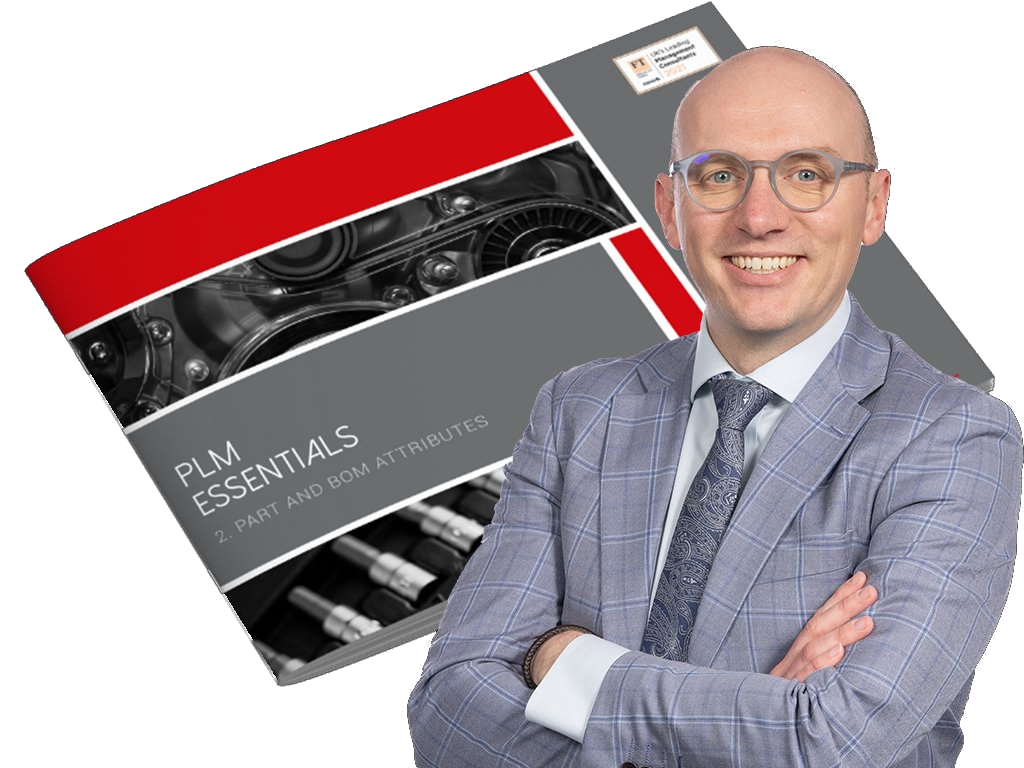
If part numbers are the DNA of new product development, attributes are the metadata that make every downstream process possible. Cost, weight, lifecycle, compliance, material, supplier — the attributes attached to each part drive BoM validation, sourcing, analytics, and change management. The second instalment of QR_'s PLM Essentials series covers what to capture, who owns what, and how to keep attribute data trustworthy as an organisation scales.
Inside this guide
What to capture, and what to leave off. A practical framework for scoping mandatory, optional, and downstream-only attributes — grounded in what actually gets used rather than what might theoretically be useful.
Ownership and governance. Who owns each attribute, when it's populated, and how the inevitable conflicts between engineering, purchasing and manufacturing views get resolved in practice.
Designing for downstream use. How attribute schema choices ripple into ERP, MES, analytics, and AI-driven BoM validation — and where the common integration pain points tend to sit.
Keeping attributes trustworthy. The validation rules, automation, and audit habits that prevent the slow decay of attribute accuracy over the life of a programme.
Reach out to start a conversation
Every business faces unique challenges, and we're here to listen, not presume. Share your contact details, and one of our experts will reach out to discuss your specific needs. No spam, just tailored solutions.